
Prepare your garden for the winter with the right tools. This guide covers the best garden tools to prepare your garden for the winter, from pruning shears to wheelbarrows, ensuring your garden remains healthy and ready for spring.
Key Takeaways
- Pruning tools, such as bypass secateurs and long-reach pruners, are essential for maintaining plant health and shape during winter.
- Soil preparation tools like spades and garden forks are vital for preparing soil before winter, ensuring it remains fertile for spring planting.
- Watering cans and hoses are crucial for hydrating plants before the ground freezes, promoting healthy growth throughout the winter months.
Essential Tools for Winter Pruning
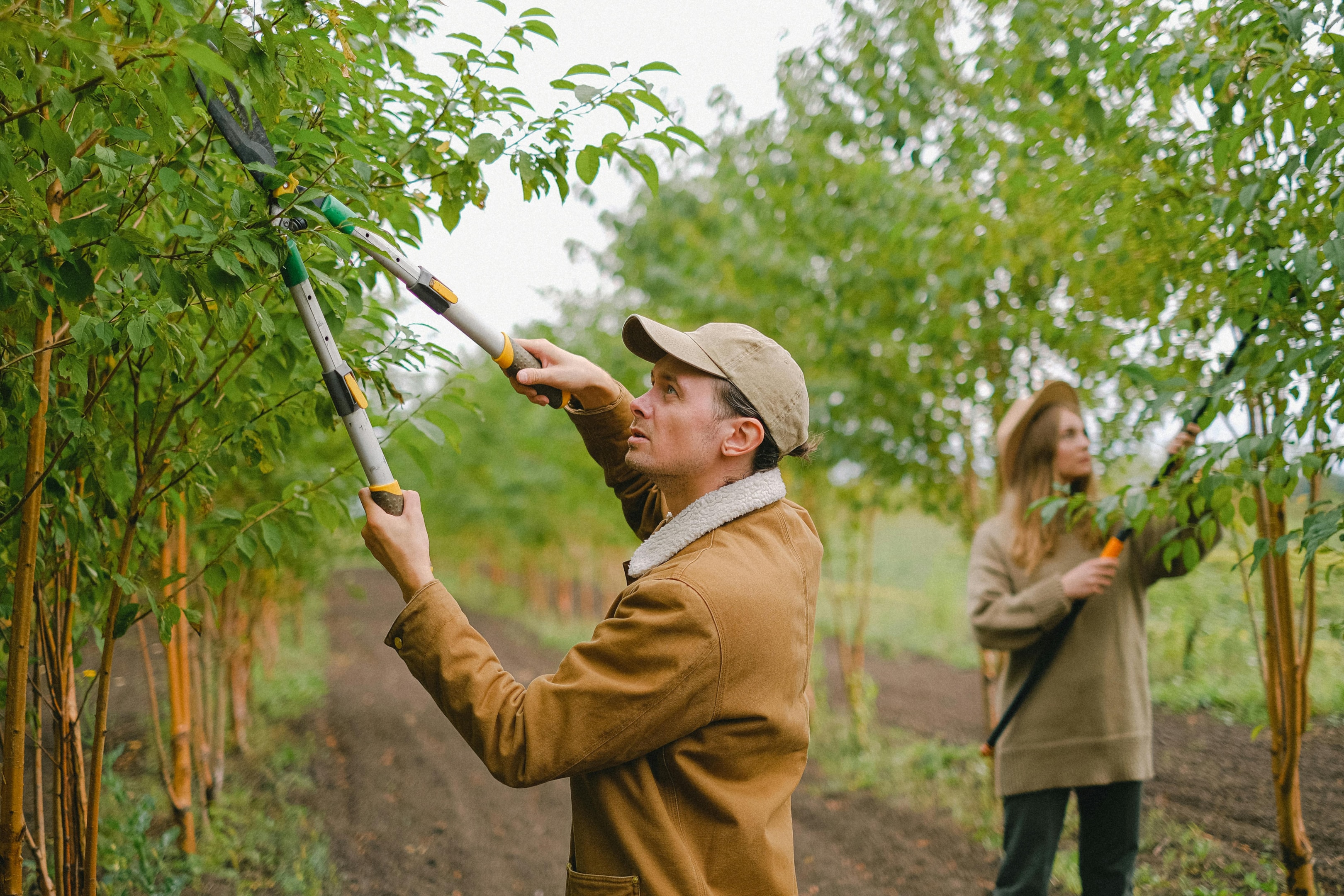
Pruning is vital as winter approaches, aiding in maintaining plant health and shape. Bypass secateurs are versatile, ideal for trimming soft stems up to the diameter of a pencil. For tougher tasks, anvil secateurs are designed for woody stems, although they can crush softer growths.
Long-reach pruners make pruning high branches accessible without a ladder, ideal for tall trees and large shrubs. Loppers, with long handles and heavy-duty blades, handle woody stems up to 3 cm thick, suited for substantial pruning. Keeping blades sharp prevents tearing plant stems and ensures efficient cutting.
Using these pruning tools during winter will keep shrubs and trees in top condition. Sharp blades not only make clean cuts but also reduce plant stress and promote healthier regrowth. Maintain your cutting tool to ensure your garden thrives.
Digging Tools for Soil Preparation
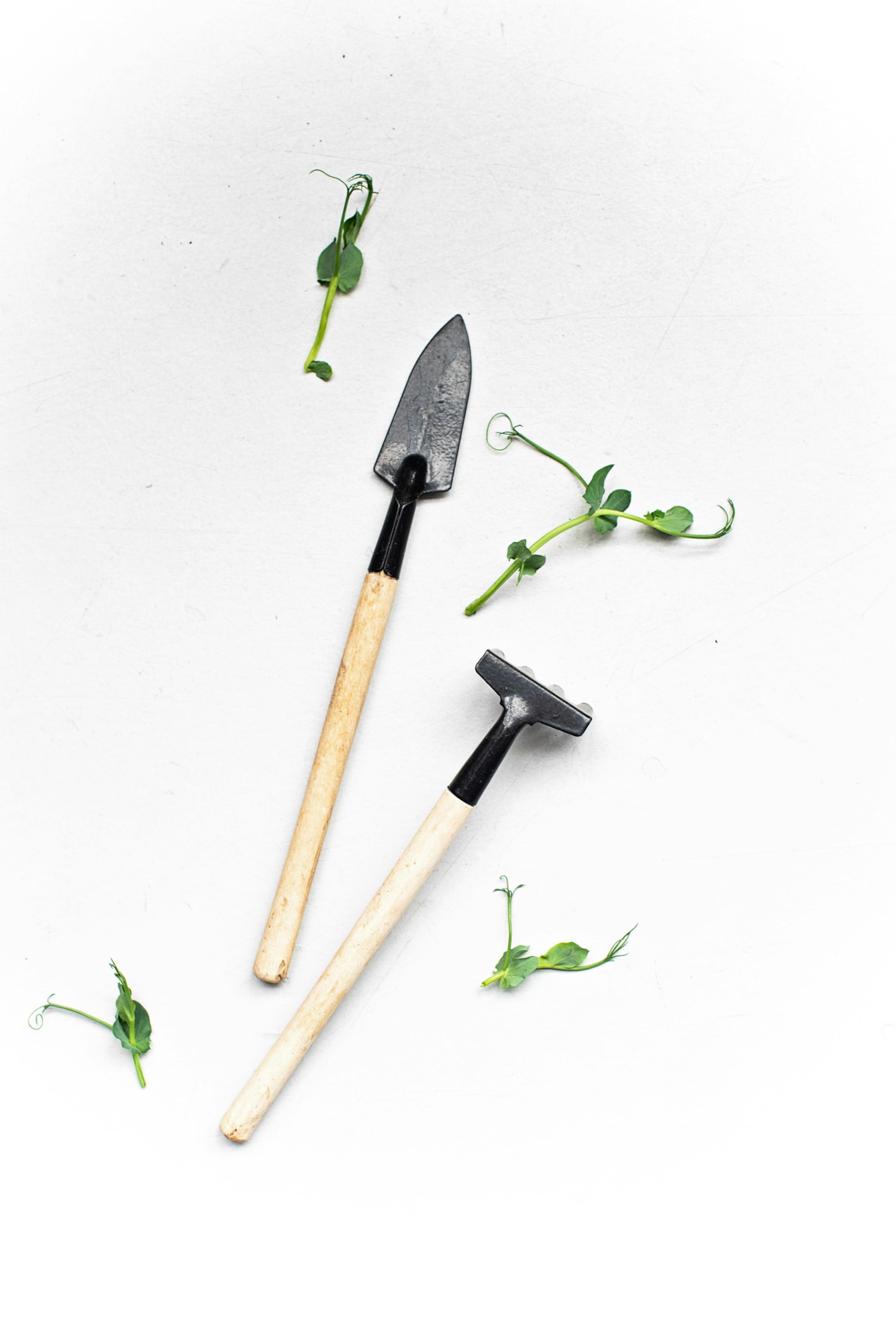
Preparing soil before it freezes is vital for a healthy spring garden. Spades and garden forks are indispensable for this task. Spades are versatile, essential for breaking soil and preparing garden beds, digging holes, and turning soil over.
Using a garden fork minimizes harm to root systems, effectively loosening and aerating soil, supporting better composting, and ideal for harvesting root vegetables. These tools ensure soil remains fertile and ready for planting in warmer months.
Hand Trowels for Planting Bulbs
Hand trowels are essential for bulb planting. Whether planting tulips, daffodils, or other spring bulbs, a good hand trowel is invaluable. The Kent and Stowe Capability Trowel, featuring two cutting edges and a measuring gauge, ensures correct planting depth for bulb growth.
For durability, the DeWit Planting Trowel is praised for its craftsmanship and versatility in handling various soils. The Niwaki Moku Trowel, lightweight and designed for effortless digging, and the Wilkinson Sword Stainless Steel Hand Trowel, known for its comfortable grip and weatherproof features, make the job easier and ensure correct bulb planting for a beautiful spring bloom.
A durable hand trowel is essential for successful bulb planting. Ergonomic designs ensure comfort, allowing you to plant numerous bulbs without strain. The right tools make bulb planting a pleasure, setting the stage for a vibrant spring garden.
Rakes for Leaf Collection
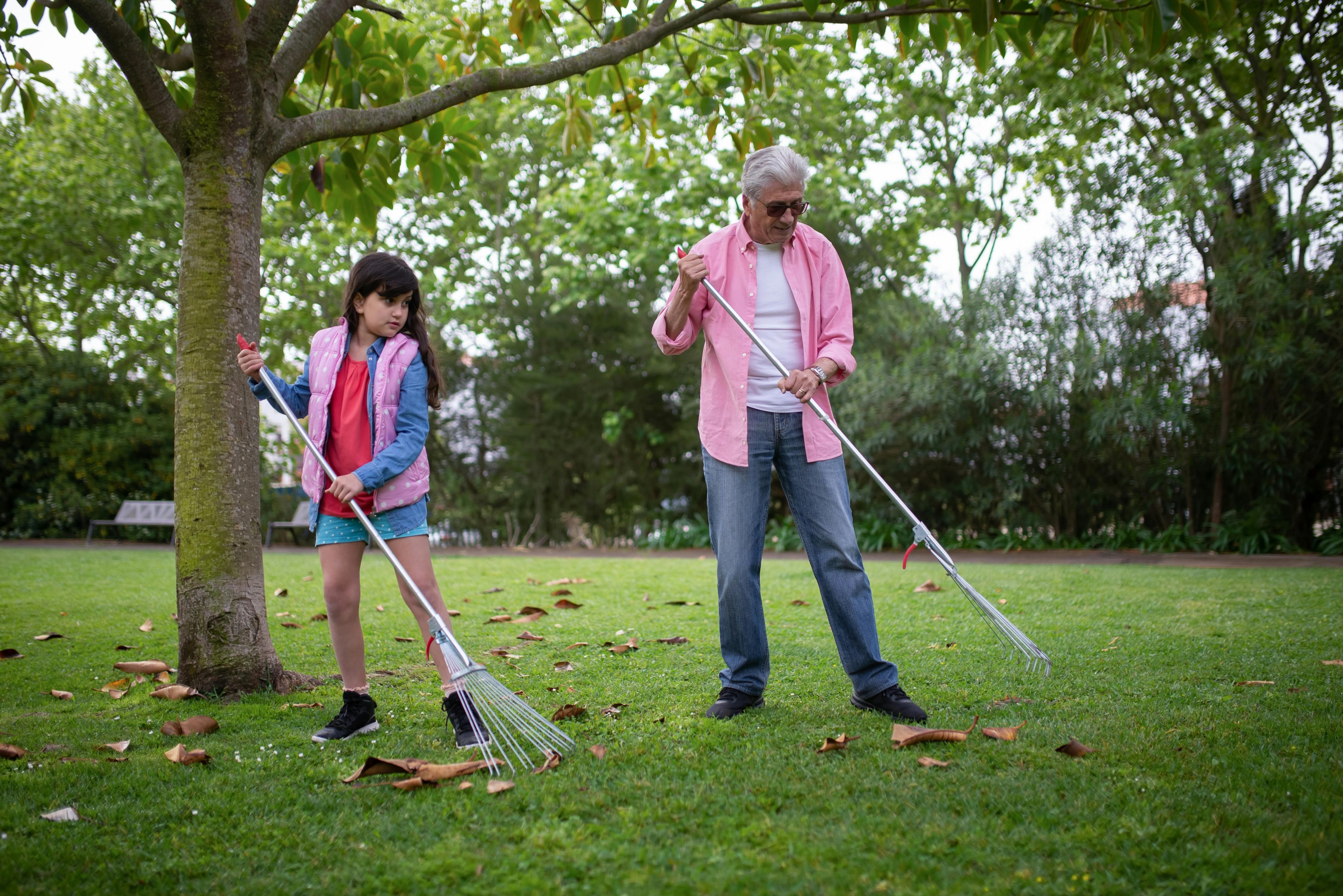
As leaves cover your lawn, rakes become indispensable for maintaining a tidy garden. They gather fallen leaves and debris, ensuring your lawn and grass remain healthy and free from mold or pests. The Tabor Tools Adjustable Metal Rake, expanding from 8 to 23 inches, is a standout choice for its versatility.
Telescopic rakes, with adjustable handles and heads, provide customized height and width for user comfort. Spring tine rakes, with fan-shaped prongs, are effective for collecting leaves from lawns. These tools keep your garden clean and ready for winter, preventing damage from accumulated debris.
Hoes for Weeding and Edging

Weeding and edging are crucial for a neat and healthy garden. Hoes are essential for these tasks. The Burgon and Ball Dutch Hoe, with its stainless steel blade, is effective for cutting through light weeds. Dutch hoes, in general, easily cut through weed stems just below the soil surface.
For demanding tasks, the Rogue Garden Hoe 575G, made of high-grade tempered steel, offers durability and efficiency. Its unique design with three sharpened sides maximizes weeding capabilities. Regular use of hoes maintains clean edges and enhances your garden’s appearance and health.
Garden Forks for Composting
Garden forks are essential for composting, especially in winter. These tools aerate compost piles, speeding up decomposition. Regularly turning compost with a garden fork keeps it well-aerated, preventing compaction and slowing decay.
Compost forks with curved tines are particularly effective for handling and aerating compost. Regular use of garden forks promotes aeration and helps mix materials evenly, enhancing nutrient breakdown and ensuring rich compost for your garden.
Watering Cans and Wands
As temperatures drop, hydrating plants before the ground freezes is vital. Watering cans and wands are indispensable for this. The Bloem Deluxe Watering Can, with a 2.5-gallon capacity, provides ample watering without frequent refills, making it highly effective for outdoor use.
For reaching under foliage and into hanging baskets, the Dramm One-Touch Rain Wand is recommended. With lengths from 10 to 48 inches, these wands offer flexibility based on planting height. Watering cans and wands ensure plants receive necessary hydration, promoting healthy growth as winter approaches.
These garden tools help maintain plant health and prepare them for the cold months. Ensuring your garden is well-watered before winter sets in is vital for its survival and flourishing.
Wheelbarrows for Heavy Lifting
Wheelbarrows are invaluable for moving heavy loads around the garden. The Garden Star Garden Barrow, weighing 29 pounds, balances weight and capacity well. Wheelbarrow capacity, often measured in liters, should match the user’s lifting ability for safe handling.
One-wheeled wheelbarrows are easier to maneuver but can tip over easily, while two-wheeled barrows offer greater stability. Choosing the right type based on your needs enhances your gardening experience. Solid rubber or plastic wheels are puncture-proof but less smooth than pneumatic tires, which offer a cushioned ride.
Steel trays handle heavier loads but are prone to rust, while plastic trays are lighter but may break under pressure. Proper loading, distributing weight towards the front, ensures easier lifting and maneuvering. The Lasher Ecobarrow, praised for its eco-friendly materials and ease of tipping, is another excellent option despite its less grippy handles.
Protective Gloves
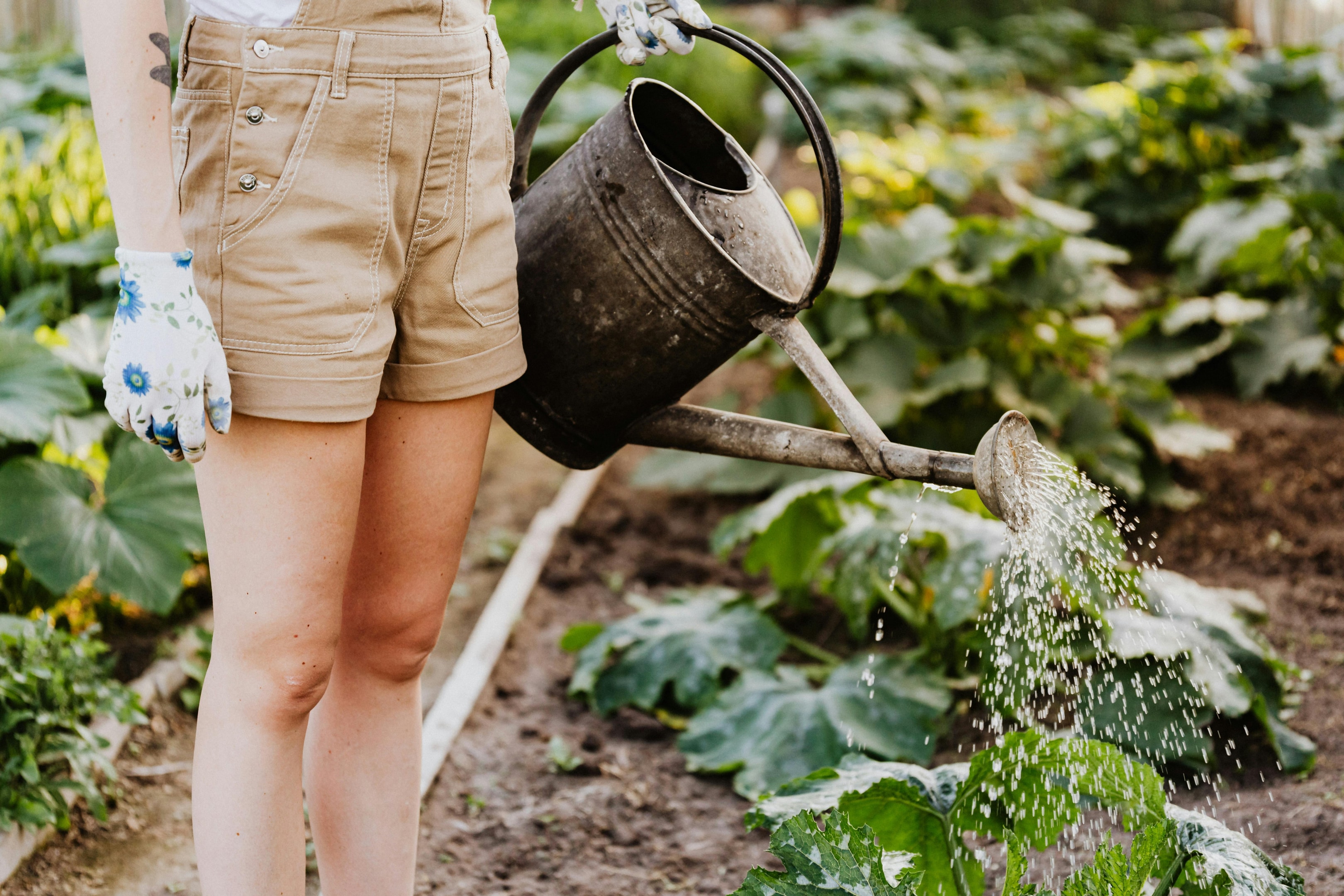
Protective gloves are a gardener’s best friend, offering comfort and protection during various tasks. Burgon and Ball’s Love the Glove gloves, made from high-quality artificial suede and tweed, are breathable and durable, suitable for year-round use. These gloves keep your hands comfortable and protected while working.
Spear and Jackson Kew Garden gloves, with a soft leather palm, offer breathability and comfort, particularly for dry conditions. Foxgloves provide water resistance, breathability, and a form-fitting design, ideal for various gardening tasks.
The right pair of gloves makes gardening a pleasure rather than a chore, allowing you to tackle any project with confidence and ease.
Garden Hoses
A good garden hose is essential for effective watering, especially as winter approaches. Look for hoses that are flexible, strong, and resist kinking for efficient use. The Bon Aire Ultimate Hose Nozzle is highly recommended for effective watering. Using a hose hanger or manual hose reel for storage prevents hoses from freezing.
Quality garden hoses ensure thorough watering, helping your plants stay hydrated and healthy through winter. Investing in a durable hose is a wise decision that saves time and effort in the long run.
Summary
Preparing your garden for winter is a task that requires the right tools and a bit of effort, but the results are well worth it. From pruning tools to wheelbarrows, each tool plays a specific role in ensuring your garden remains healthy and ready for the cold months. The key is to select quality garden tools that make the job easier and more efficient.
By following the guidance provided in this article, you can confidently prepare your garden for winter. These tools will not only help you maintain a tidy and healthy garden but also set the stage for a flourishing spring. Remember, a well-prepared garden is a beautiful garden, and with the right tools, you’ll enjoy the process and the results.
Frequently Asked Questions
Why is it important to prepare my garden for winter?
Preparing your garden for winter is crucial to keep plants healthy during dormancy and ensures they thrive in spring. Tasks like pruning and soil preparation help protect them from harsh weather conditions.
What are the best tools for winter pruning?
The best tools for winter pruning are bypass and anvil secateurs, long-reach pruners, and loppers, which facilitate maintaining the health and shape of your plants. Using the right tools ensures effective and efficient pruning.
How do I choose the right hand trowel for planting bulbs?
To choose the right hand trowel for planting bulbs, select one with an ergonomic design, durable materials, and depth measuring gauges. Brands like the Kent and Stowe Capability Trowel and the DeWit Planting Trowel are excellent options.
What is the best way to use a garden fork for composting?
To effectively compost, regularly use a garden fork to turn and aerate your compost pile. This practice accelerates decomposition and promotes an even mix of materials, leading to high-quality compost.
How can I prevent my garden hose from freezing in winter?
To prevent your garden hose from freezing in winter, store it on a hose hanger or manual hose reel. This practice helps maintain its flexibility and prolongs its lifespan.
