
Key Takeaways
- A cozy home combines warmth, comfort, and personal meaning to create a peaceful sanctuary
- Essential elements include proper temperature control, soft lighting, natural textures, and meaningful decorations
- Energy-efficient heating systems like heat pumps can maintain optimal comfort while reducing costs
- Start small with one area and use items you already own to create coziness without overspending
- Handmade elements and natural touches add authentic warmth and personality to any space
Your home should be more than just a place to sleep—it should be a sanctuary that wraps you in comfort the moment you walk through the door. Creating a cozy home isn’t about following the latest design trends or spending thousands on a complete makeover. Instead, it’s about understanding what makes a space feel warm, inviting, and uniquely yours.
In our increasingly busy world, having a cozy retreat becomes essential for mental well-being and stress relief. Whether you live in a small apartment or a spacious house, the principles of cozy living can transform any space into a haven that nurtures both body and soul.

Photo from Pexels
What Makes a Home Truly Cozy
A cozy home creates an immediate sense of warmth, security, and contentment the moment you enter. This feeling goes far beyond visual appeal—it engages all your senses through comfortable temperatures, soft textures, pleasant scents, and warm lighting that makes you want to linger.
The psychological benefits of having a cozy retreat are well-documented. Research shows that comfortable, personalized environments reduce stress hormones and improve overall mood. When your home feels like a true sanctuary, you’re better equipped to handle daily challenges and find genuine relaxation at the end of each day.
Personal style plays a crucial role in determining your approach to creating comfort. Some people find coziness in minimalist spaces with carefully chosen elements, while others prefer maximalist environments filled with collections and memories. The key is understanding that authentic coziness reflects your personality and lifestyle rather than copying someone else’s vision.
The difference between cozy and cluttered spaces lies in intentionality. A cozy home thoughtfully incorporates meaningful items that serve both functional and emotional purposes, while clutter accumulates without purpose. Every element in a truly cozy space contributes to the overall feeling of warmth and belonging.
Essential Elements for Cozy Living
Creating a cozy atmosphere requires understanding how foundational components work together to transform any space. These elements—temperature, lighting, and textures—form the backbone of comfortable living and can be adapted to suit different home styles and sizes.
The magic happens when these components complement each other rather than competing for attention. A room might have beautiful furniture, but without proper lighting and comfortable temperature, it won’t feel truly inviting. Similarly, the softest throws and pillows won’t create coziness in a poorly lit or uncomfortable room.
Temperature and Climate Control
Maintaining optimal temperature ranges creates the foundation for physical comfort in your cozy home. Most people find temperatures between 68-72°F ideal for daily living, with slightly cooler settings of 65-68°F for sleeping. However, personal preferences and seasonal adjustments can influence these ranges.
Modern heat pumps, particularly those from manufacturers like Viessmann, offer energy efficient solutions for maintaining consistent temperatures throughout your whole house. These heating systems can reduce energy consumption by up to 50% compared to traditional gas or electric heating systems, making them both environmentally friendly and cost-effective for your budget.
For larger homes or specific cozy areas, consider zonal heating solutions that allow different rooms to maintain different temperatures. This approach is particularly suitable for creating intimate spaces like reading nooks or home offices while maintaining efficient heating throughout the house.
Layering strategies extend beyond your central heating system. Keep quality throws and blankets readily available for additional warmth, and consider heated floors in key areas like bathrooms or kitchens where you spend time barefoot.
Lighting That Creates Ambiance
Lighting transforms the mood of any room more dramatically than almost any other single element. Choose warm-toned LED bulbs in the 2700K-3000K range instead of harsh fluorescent lighting that can make spaces feel clinical and unwelcoming.
Strategic placement of multiple light sources creates depth and warmth that overhead fixtures alone cannot achieve. Table lamps, floor lamps, and string lights provide ambient lighting that invites relaxation. This layered approach allows you to adjust brightness levels throughout the day and create different moods for various activities.
Candles offer natural warmth and gentle movement that artificial lights cannot replicate. Use them safely throughout your living spaces, taking care to place them away from fabrics and never leave them unattended. Battery-operated candles provide similar ambiance with enhanced security.
Dimmer switches and smart lighting systems give you complete control over your environment. Program different lighting scenes for reading, entertaining, or winding down in the evening. This technology allows your home to adapt to your daily rhythms and support different activities throughout each room.

Photo from Pexels
Textures and Fabrics
Incorporating varied textures creates visual interest and tactile comfort that defines cozy living. Chunky knit throws, wool blankets, and velvet cushions add layers of softness that invite touch and relaxation.
Mix natural materials like cotton, linen, and cashmere to create rich sensory experiences. Each fabric brings unique qualities—cotton provides breathability, wool offers warmth, and cashmere adds luxurious softness. This combination creates depth that synthetic materials alone cannot achieve.
Area rugs serve multiple purposes in creating cozy spaces. They define different areas within open floor plans, provide underfoot comfort, and add colour and pattern that ties room elements together. Choose rugs that complement your colour palette while adding textural interest.
Consider seasonal textile swaps to maintain freshness throughout the year. Lighter linens and cottons work well for summer months, while heavier wools and flannel fabrics provide extra warmth during colder seasons. This rotation keeps your space feeling current and responsive to natural rhythms.
Creating Cozy Spaces on Any Budget
Building a cozy home doesn’t require significant financial investment. Start with one designated area like a reading nook or bedroom corner where you can focus your efforts and see immediate results. This approach allows you to experiment with different elements before expanding to other areas.
Repurpose existing items throughout your house to save money while adding character. Vintage quilts can become wall hangings or sofa covers, family photos create personal gallery walls, and houseplants bring life to any corner. Look at your possessions with fresh eyes to discover hidden potential.
DIY projects offer opportunities to create unique elements that reflect your personality. Make homemade candles using essential oils you love, paint furniture pieces to match your colour scheme, or sew custom pillowcases from fabric remnants. These handmade touches add authenticity that store-bought items cannot replicate.
Thrift stores and secondhand shops provide treasure troves of affordable items that add character to your space. Look for interesting vases, vintage books, unique picture frames, and quality linens that may need only minor cleaning or repairs. These finds often have more personality than mass-produced alternatives and cost significantly less.
Bringing Nature Indoors
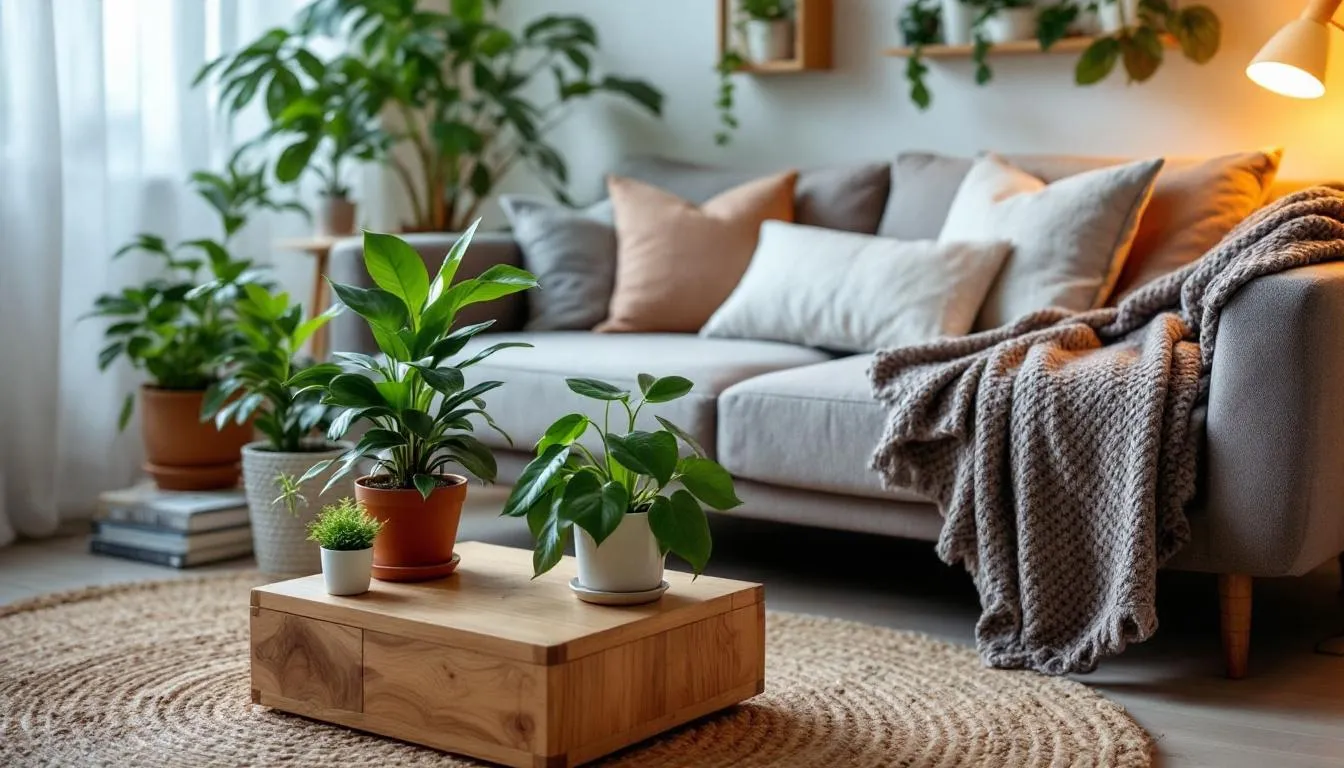
Plants transform indoor air quality while adding living beauty that changes throughout seasons. Choose low-maintenance varieties like pothos, snake plants, and peace lilies if you’re new to plant care. These species tolerate various light conditions and forgive occasional watering mistakes.
Fresh flower arrangements using seasonal blooms from local markets bring colour and fragrance that artificial alternatives cannot match. Even simple bouquets of grocery store flowers can brighten a dining room or kitchen counter. Change them weekly to maintain freshness and enjoy different seasonal varieties.
Natural wood elements warm up any room through furniture pieces, cutting boards displayed on counters, and decorative bowls filled with seasonal items. Wood brings organic textures that connect your indoor space to the natural world outside.
Make a habit of opening windows regularly for fresh air circulation and connection to outdoor sounds and scents. This simple practice helps prevent condensation issues while creating a healthier indoor environment that feels more connected to the changing seasons.
Personal Touches That Tell Your Story
Display family heirlooms, travel souvenirs, and handmade gifts in ways that create conversation starters and meaningful connections to your personal history. These items should be integrated thoughtfully rather than cluttering surfaces, with each piece having a clear reason for its placement.
Create gallery walls with meaningful photographs and artwork that reflect your interests and experiences. Mix frame sizes and styles for visual interest, but maintain some common element like colour or material to tie the collection together. Include children’s artwork, vacation photos, and pieces that make you smile.
Incorporate books, journals, and hobby supplies into your decor rather than hiding them away. Visible books suggest interests and invite browsing, while displayed craft supplies or musical instruments show that your home is actively lived in rather than just photographed.
Use scents that evoke positive memories through candles, diffusers, or simmer pots filled with spices and citrus. Scent memories are powerful triggers for comfort and happiness, so choose fragrances that remind you of favourite places or experiences.
Extending Coziness Beyond Indoor Spaces
Create outdoor seating areas using weather-resistant cushions and throws that can withstand the elements while providing comfort. Even small balconies or patios can become cozy retreats with the right furnishings and attention to detail.
Add fire pits, outdoor heaters, or string lights to extend the usability of your outdoor space into cooler months. These elements provide both warmth and ambiance that make outdoor areas feel as welcoming as indoor rooms.
Create seasonal outdoor displays with pumpkins and gourds in autumn, evergreen wreaths in winter, or colourful planters in summer. These rotating displays connect your outdoor space to natural cycles and provide ongoing visual interest.
Use outdoor rugs and lanterns to define cozy exterior zones that feel intentional and furnished. Weather-resistant rugs help define seating areas and add colour, while lanterns provide portable lighting that creates intimate atmospheres for evening gatherings.

Photo from Pexels
Frequently Asked Questions
How much does it cost to make a home cozy? Creating a cozy home can be done on any budget, starting with free changes like rearranging furniture and using items you already own. Small investments in candles, throw pillows, or plants can make significant impacts for under $100.
What’s the ideal room temperature for a cozy home? Most people find 68-72°F comfortable for daily living, with slightly cooler temperatures (65-68°F) for sleeping. Energy-efficient heat pumps can maintain consistent temperatures while reducing heating costs by up to 50% compared to traditional systems.
Can small apartments be made cozy? Absolutely! Small spaces can feel even cozier than large homes. Focus on multi-functional furniture, vertical storage, warm lighting, and personal touches. Use mirrors to reflect light and create the illusion of more space while maintaining intimate comfort.
How do I maintain coziness without creating clutter? Follow the “one in, one out” rule when adding new items. Choose pieces that serve multiple purposes, like storage ottomans or decorative baskets. Regularly evaluate whether items bring joy and function to your space.
What are the best plants for creating a cozy atmosphere? Snake plants, pothos, and rubber trees are excellent for beginners as they tolerate low light and infrequent watering. For more experienced plant parents, fiddle leaf figs, monstera, and peace lilies add dramatic natural beauty to cozy spaces.
