
Dental restoration repairs or replaces damaged teeth to restore function and appearance. This Dental Restoration Guide will cover fillings, crowns, implants, bridges, and more. Learn about your options to make informed dental health decisions.
Key Takeaways
- Dental anxiety can hinder timely treatment; building trust through transparency and empathy is vital for patient engagement.
- Modern restorative dentistry encompasses various advancements, including digital technology and stem cell research, enhancing the effectiveness of dental procedures.
- A comprehensive understanding of dental restoration options, from fillings to implants, empowers patients to make informed decisions for their oral health.
The Silent Struggle
Fear of the dentist can often hinder individuals from obtaining necessary dental care in a timely manner. Many people delay their dental appointments because of anxiety, leading to a decline in oral health while they wait. This quiet battle is widely experienced, and its recognition and management are crucial for improving outcomes related to dental health.
The foundation of trust between patient and practitioner—established through clear communication and empathy—is essential for surmounting apprehension about dentistry. Patients who feel that their concerns are acknowledged and who receive thorough explanations tend to participate more actively in their own oral healthcare journey. Employing explanatory visual tools alongside straightforward dialogue can Demystify procedures and alleviate fears concerning dental work.
It’s important to identify these emotional hurdles when seeking out a compassionate dental professional dedicated to prioritizing your sense of ease and assurance as part of your treatment plan. Addressing this commonly unspoken issue opens the door not only to advanced oral health, but also contributes significantly toward achieving a satisfying, confident smile.
Understanding Modern Restoration
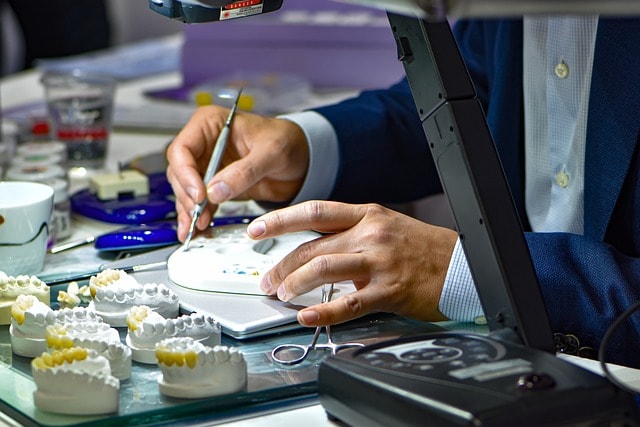
The field of restorative dentistry has come a long way from its early stages. Consider how in the eighth century, the height of dental innovation was represented by wooden dentures. In contrast, modern developments are on the cusp of utilizing nanotechnology to create materials that are compatible with human biology for repairing teeth.
Technological advancements in digital dentistry have dramatically altered numerous dental procedures through the incorporation of computer-aided tools. The advent and application of CAD/CAM technologies now facilitate highly accurate production of dental prostheses while also managing to cut down on expenses. Virtual articulators enhance prosthesis design by accurately replicating human jaw motions, thereby improving both aesthetics and functionality.
Finally, stem cell research represents an exciting new frontier seeking to regenerate injured tissues, which could revolutionize prosthodontics with breakthrough treatments. There’s been a notable trend towards permanent prosthetic solutions supported by implants, signifying a transformative phase within aesthetic restorative dentistry. These progressive changes should be welcomed as they advance us towards refining the practice of dental restoration.
Your Comprehensive Roadmap
Delving into the realm of dental restorations can seem daunting. Gaining clarity on the various choices at your disposal is crucial for well-informed decision-making. Dental fillings, which are frequently employed in tooth restoration procedures, address cavities and restore teeth to their original shape and usability.
Crowns serve as a safeguard for compromised teeth and also function as support structures for dental bridges, improving both looks and utility. Implants provide a durable fix for absent teeth, mimicking natural teeth while averting the displacement of neighboring teeth.
Meanwhile, bridges fulfill the role of connecting spaces left by missing teeth. Veneers along with bonding provide aesthetic improvements specifically to front-facing teeth. Each treatment option presents distinct advantages and points to consider, collectively offering an individualized guide based on personal dental needs.
Dental Fillings: Quick Fixes for Tooth Decay

Tooth decay is frequently addressed through dental restorations, with dental fillings being a common remedy. This process includes the excision of the decaying part of the tooth and its subsequent replacement with substances like composite resin or silver amalgam. Known for their robustness, amalgam fillings consist of various metals such as mercury, copper, tin, zinc, and silver.
In contrast to amalgam fillings, composite resin ones are preferred for their ability to match natural teeth closely due to their cosmetic superiority. Depending on factors like cavity size and location within the mouth, other materials might be utilized including glass ionomer or even gold. Speaking these repairs can typically be achieved in one visit facilitating speedy recovery.
Fillings play a crucial role not only in stopping Deterioration but also in preventing infection and loss of teeth thereby preserving overall oral health integrity. They often fall under coverage provided by dental insurance plans thus enhancing affordability for numerous individuals who seek them out. Regular visits to your dentist aid in identifying cavities early on, ensuring that they receive timely attention so that your smile may endure well into the future years.
Crowns: Protecting and Enhancing Teeth
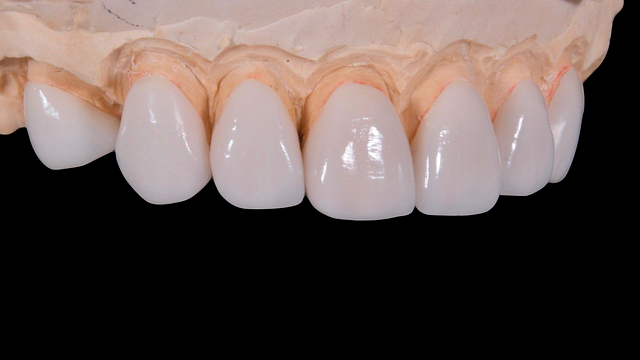
Dental crowns serve as an effective solution for teeth that are damaged or vulnerable, especially when fillings alone are insufficient. They reinforce weakened teeth, safeguard those that have cracks, and restore both the look and utility of teeth impacted by damage.
Crowns come in a variety of forms to meet diverse requirements. For example, metal crowns crafted from substances such as gold or nickel boast exceptional durability and necessitate only a slight reduction of the tooth’s enamel surface. Porcelain-fused-to-metal variants provide not only strength but also closely mimic the appearance of natural teeth with their blend of materials. In contrast, all-ceramic and pressed ceramic options cater to individuals who have allergies to metals while still offering an aesthetically pleasing match with existing natural dentition.
The procedure for installing a dental crown entails taking precise impressions from which temporary crowns can be constructed before placing final permanent ones tailored specifically for your mouth structure—thereby boosting both oral health significantly through improved functionality and aesthetic appeal by enhancing your smile.
Implants: Permanent Solutions for Missing Teeth
The introduction of dental implants has revolutionized the approach to replacing missing teeth. These prosthetics, Crafted from titanium or its alloys, serve as sturdy bases for restorative solutions such as crowns or bridges. Dental implants are designed to replicate both the look and function of natural teeth and can offer a durable option with an extensive lifespan.
Embarking on dental implant treatment involves multiple steps beginning with their surgical insertion into the jawbone by either an oral surgeon or periodontist. Over subsequent months, these artificial roots fuse with your bone through a process called osseointegration, ensuring they remain securely in place. Once healing is complete, a replacement tooth can be affixed to the implant, which reinstates full chewing ability and clear speech.
Despite this method necessitating several months before completion, patients often experience significant long-term advantages. The installation of dental implants substantially enhances life quality by closely mimicking the effectiveness and visual appeal that comes along with having real teeth.
Bridges: Spanning the Gap
Dental bridges serve as a successful solution for substituting one to four consecutively absent teeth. They rely on the support of crowns that are affixed to the neighboring healthy teeth, effectively bridging the void left by lost teeth. Porcelain or porcelain bonded with metal is typically used in their construction, offering both durability and an aesthetically pleasing look.
To prepare for bridge placement, multiple visits to the dentist may be required. The initial steps involve reshaping abutment teeth and making molds from which the dental bridge will be crafted while ensuring patients experience no discomfort through local anesthesia.
Ultimately, this procedure culminates in a rejuvenated smile that not only looks but also functions like natural dentition. It improves oral health and cosmetic appeal without compromising existing tooth structure essential for reinstating proper dental function.
Dentures: Removable Replacements
Dentures offer a versatile solution for those who have lost multiple teeth. These removable false teeth replace missing teeth, either partially or completely. Partial dentures are used when some natural teeth remain, while full dentures are needed if all teeth are lost due to injury, decay, gum disease, or missing or damaged teeth.
Dentures can be made from various materials, including acrylic, nylon, or metal, designed to fit snugly over the gums. For those who need immediate replacement, complete dentures can be fitted right after tooth extraction. While adjusting to dentures, it’s advisable to eat soft foods in small pieces to ease the transition.
Regular cleaning prevents plaque buildup and maintains oral health. Whether dealing with cracked or decayed teeth needing extraction before fitting, dentures significantly enhance appearance and function, allowing confident smiles and preventing damage teeth.
Veneers: Cosmetic Enhancements
Veneers serve as an excellent option for those aiming to enhance the look of their teeth. These slender, natural-looking casings are crafted to conceal flaws like stained, fractured, or chipped teeth. They are typically made from materials such as porcelain and composite resin, each providing unique advantages.
With adequate maintenance, veneers can endure from 5 to 15 years, presenting a long-lasting solution for improving your smile. Beyond just aesthetic improvement, this procedure also contributes to increased self-esteem by giving individuals more incentive to show off their smiles.
Bonding: Simple Aesthetic Repairs
Tooth bonding effectively addresses minor aesthetic issues. Ultraviolet light hardens the resin, ensuring quick and efficient restoration.
Cost-effective bonding typically ranges from $300 to $600 per tooth without insurance. Bonding requires no special care beyond standard oral hygiene and can be reversed at any time since it doesn’t involve enamel removal.
However, bonded teeth might not be as sturdy as veneers or crowns and may need re-treatment over time.
Transformative Results
The remarkable outcomes of dental restorations can be truly motivational. Take, for instance, an individual who dealt with the discomfort of poorly fitting dentures. They moved on to receive dental implants and crowns. This switch not only rejuvenated their smile, but also greatly enhanced their self-esteem.
Similarly, a different patient facing issues with teeth that were both cracked and stained chose to get veneers and undergo bonding procedures. The comparison between their appearance before and after was striking, providing them ample reason to beam joyfully once again. These narratives emphasize the significant effect that restorative dentistry can have in transforming a person’s life.
Investing in Your Smile
Maintaining the investment in your dental restorations requires more than just the initial procedure. Regular visits to the dentist are essential for catching issues early, which allows for prompt treatment before problems worsen. Professional cleanings help maintain oral health by removing plaque and tartar that can’t be reached through home care.
To prolong the life of your dental work, it’s important to adhere to a thorough oral hygiene regimen that includes brushing with fluoride toothpaste, flossing regularly, and steering clear of practices such as biting nails or using teeth as tools—these habits may cause damage to restorative materials.
By integrating these preventive actions into your daily life, you greatly diminish the chances of requiring additional dental repairs down the line. This proactive approach contributes significantly towards keeping your smile vibrant and healthy well into the future.
Summary
To sum up, the field of dental restoration provides a diverse array of solutions for numerous dental problems, including but not limited to fillings, crowns, implants, and veneers. Each treatment is specifically designed to not only restore functionality and appearance, but also to enhance self-assurance. Investing in restorative dentistry transcends mere teeth repair. It’s an investment in regaining your smile and elevating your overall well-being.
Embark on the path toward enhanced oral health and a more radiant smile. It’s important to remember that a healthy smile radiates confidence, and with diligent care coupled with expert advice, achieving such a smile is entirely achievable.
Frequently Asked Questions
What materials are used for dental fillings?
Dental fillings are typically made from materials such as silver amalgam, composite resin, glass ionomer, and gold, each offering unique benefits for various dental needs.
How long do dental implants last?
Dental implants can last for decades, making them a durable and effective long-term solution for missing teeth.
What are the benefits of dental crowns?
By safeguarding and strengthening teeth that have suffered damage, dental crowns not only enhance their appearance but also reestablish their functional integrity, especially in situations where fillings fall short.
As such, they are an important choice for preserving both the health and the visual appeal of one’s teeth.
How are dentures cared for?
Caring for dentures requires regular cleaning to prevent plaque buildup, and it’s recommended to start with soft foods to facilitate adjustment.
Proper maintenance is essential for longevity and comfort.
What is the process for getting veneers?
The process for getting veneers typically involves an initial consultation, preparation of the teeth by reshaping them if necessary, taking impressions, and then bonding the custom-made veneers to the teeth.
Proper care is essential for maximizing their lifespan, which can be between 5 to 15 years.
